
How Bleisure Travel Works
Bleisure doesn’t require a major schedule overhaul. In most cases, it looks like:
- Adding 1–3 leisure days before or after business commitments
- Exploring the host city outside meeting hours
- Booking a different hotel for the leisure portion
- Traveling with a partner or friend who explores during work hours
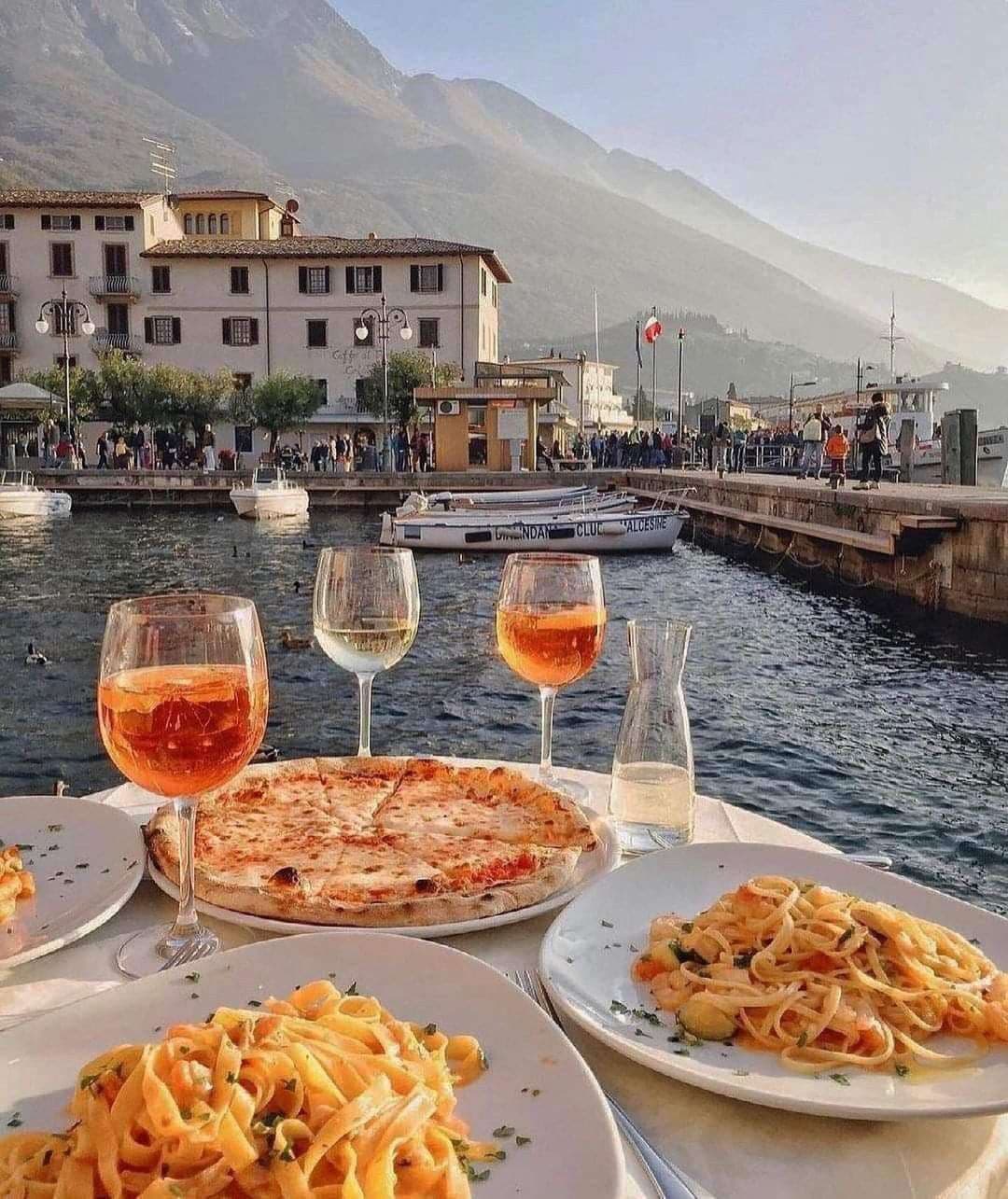
For example, someone attending a conference in Austin might stay through Sunday to experience live music and food culture. A work trip to Barcelona might turn into a long weekend by the Mediterranean. An annual meeting in Tokyo could include extra days to explore neighborhoods, temples, and cuisine.
Why Bleisure Travel Is Growing
Several factors are driving the rise of bleisure:
- Remote and Hybrid Work
Flexible schedules make it easier to shift flights and extend stays without sacrificing productivity. - Experience-Driven Travel
Travelers increasingly prioritize experiences over routine. If work brings you somewhere new, leaving immediately feels like a missed opportunity. - Cost Efficiency
Flights are often covered by employers. Extending a stay can be significantly more affordable than booking a separate vacation. - Event-Centered Travel
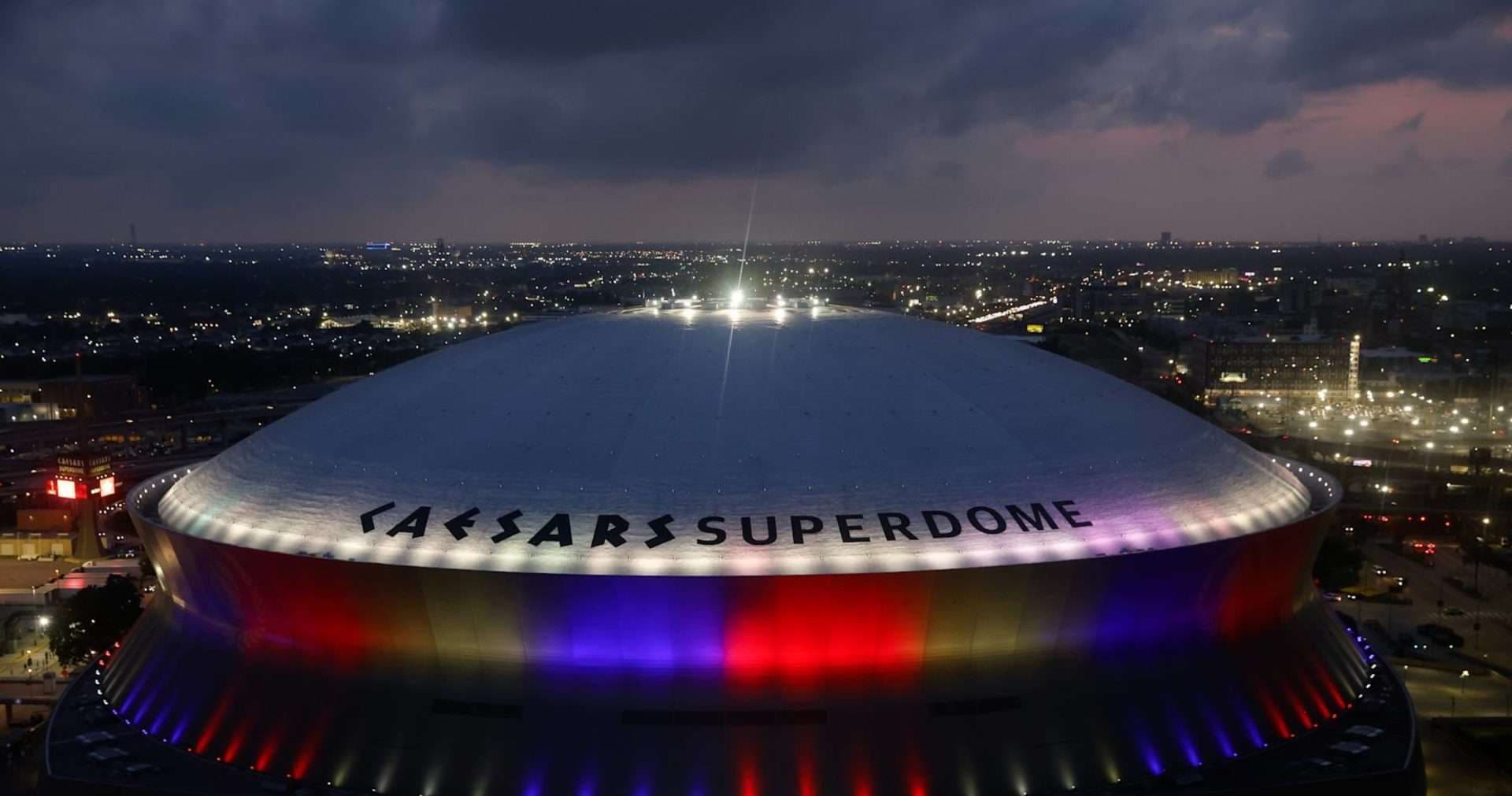
Large conferences, festivals, and sporting events already attract travelers. Adding personal time around them feels natural.
Bleisure aligns with how people now think about travel: integrated, efficient, and experience-first.
The Traveler Expectation Shift
Bleisure reflects a broader travel trend: people want efficiency without sacrificing meaning.
Today’s professionals increasingly ask:
- Can I work remotely from this hotel for an extra day?
- Is there something unique about this city I shouldn’t miss?
- Does extending the trip feel worth it?
Travelers are blending categories that used to be separate: work trips, vacations, remote work, and event travel are now overlapping.
For hotels and event organizers, the opportunity lies in anticipating this trend and adjusting accordingly.
The Future of Bleisure
As conferences expand globally and companies embrace flexibility, more travelers will design trips that serve both professional goals and personal curiosity.
Bleisure is becoming part of corporate travel strategy, not just a personal decision. Destinations are marketing themselves as both business hubs and lifestyle experiences. Hotels are adapting with longer-stay rates, co-working spaces, and hybrid-friendly amenities.
As work and life continue to blend, so will business and leisure travel. The companies and destinations that recognize this shift will attract more engaged attendees, happier employees, and stronger long-term loyalty.
Ready to turn your next business trip into a great experience?