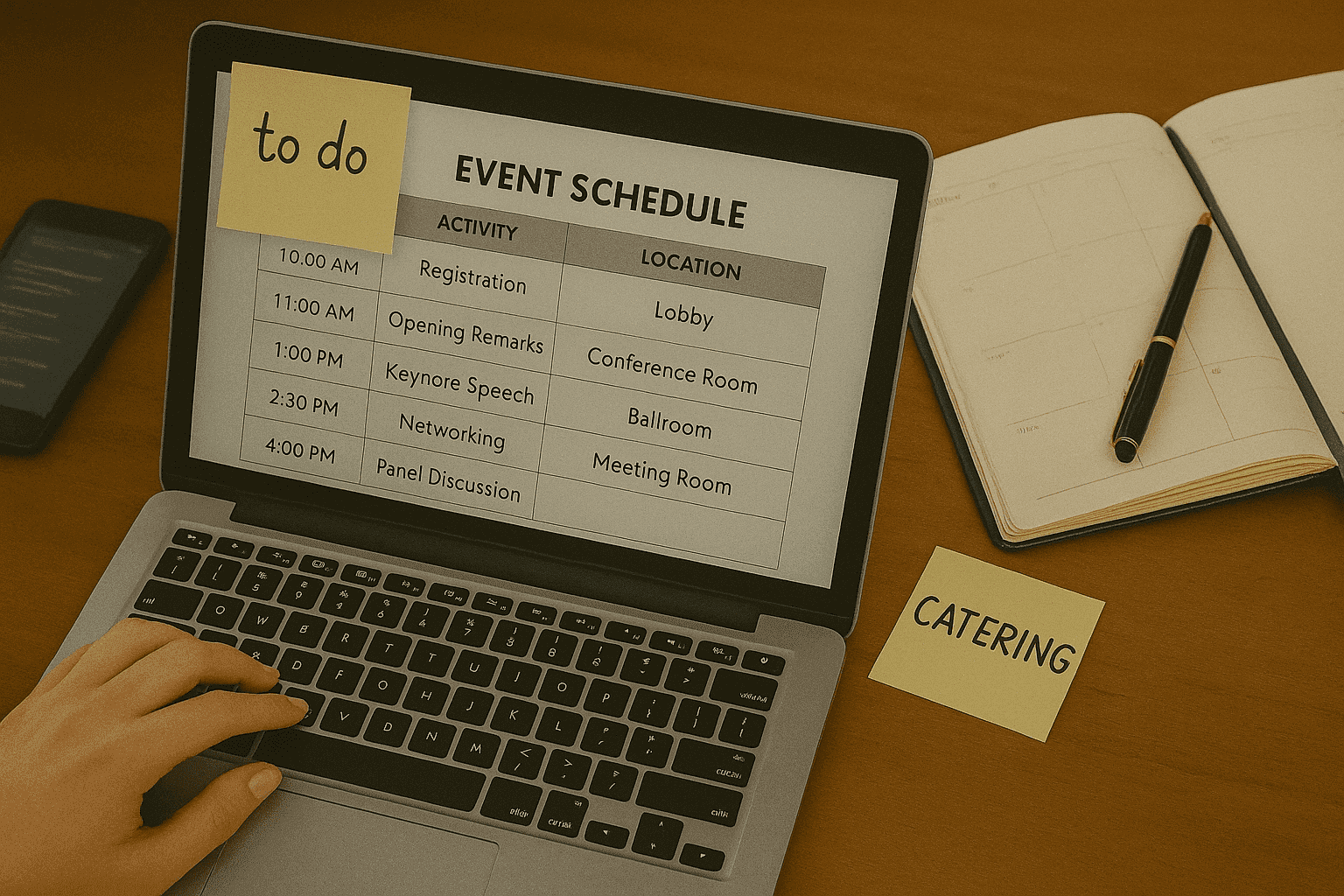

If you’ve ever planned a large event, sending a hotel RFP (Request for Proposal) can be a challenge. The logistics of an event are complex and can quickly spiral out of control, especially when it comes to hotel accommodations.
This guide breaks down what it is, why it matters, how it can help you plan better events and source the best hotel accommodations for your guests.
What Is a Hotel RFP?
A hotel RFP is a document that event planners use in order to receive bids from hotels. It tends to be the first step in hotel sourcing for big events, in which a large number of rooms (hotel blocks) are needed.
A strong RFP tends to include:
- Event Dates
- Venue location
- Room type (single, double, kings, etc)
- Budget range
- Specific requirements (meeting rooms, amenities, parking, etc)
- Deadlines
- Terms around room attrition and payments
- Amenities
- Transportation
Why Do RFPs Matter?
Hotel managers receive hundreds of RFPs and inquiries every week. A well-structured RFP can make the difference between getting fast responses or getting buried in an inbox. Here are the main reasons this document is so important:
For Event Planners
- Helps compare offers objectively
- Secures better rates and concessions
- Reduces the back-and-forth with hotels
- Builds leverage when negotiating
For Hotels
- Streamlines the qualification process
- Avoids misaligned proposals
- Helps forecast inventory and revenue
Specially for Travel Management Companies, event planners and companies who regularly do business conferences, having a good hotel sourcing process can save hundreds of thousands of dollars a year in better hotel rates and operational costs.
If you are wondering how much a good RFP tool can save you, we have created a calculator you can access to calculate your savings.
RFPs and Hotel Sourcing Best Practices
Contracting the best room blocks isn’t just about having a great RFP, it’s about making it easy for hotels to contact you and say yes. The more precise your RFP and your process is, the faster you will get responses.
Here are some tips and best practices for event planners:
Be clear and specific. The more vague your request is, the less responses you will receive. Communicate your needs clearly: the exact dates, number of rooms, room types, amenities, budget range, space requirements and so on. The more context the hotels have, the more accurate their responses will be.
Communicate Deadlines. Let hotel managers know what your contracting deadlines are so they can adjust to your schedule and attend to your pacing needs during the negotiation process.
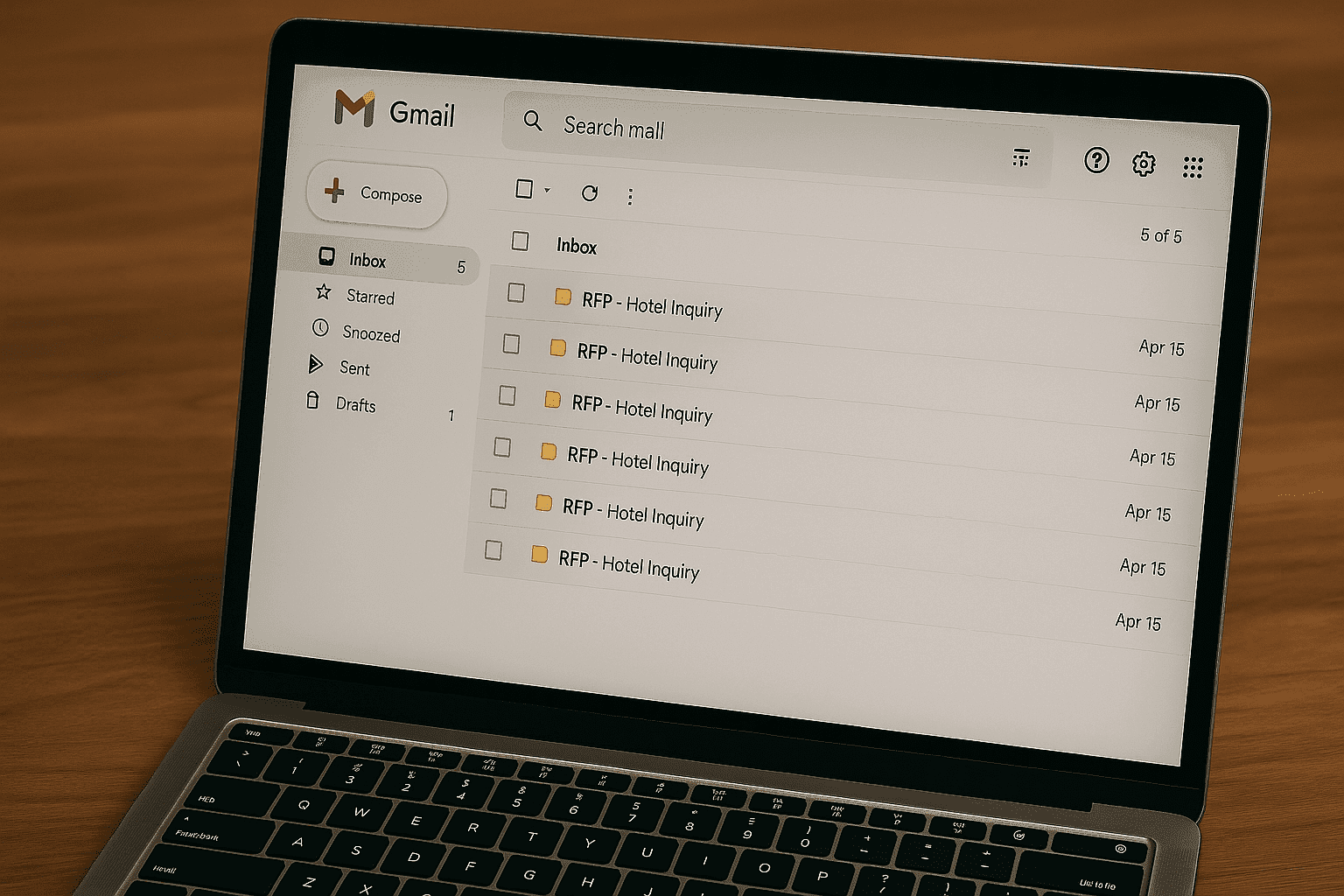
Follow up professionally. If you don’t hear back from a specific hotel in 48-72 hours it’s a good practice to follow up with a second e-mail, sending your demand to the top of their inbox giving them a second chance to win your business.
Compare proposals side by side. When the responses start coming in, create a simple table with rates, fees, concessions, contract terms, amenities and other points of interest. This makes it easier to compare options to make a decision.
RFPs Don’t Have to Be Complicated
The hotel RFP process doesn’t have to be slow, messy or frustrating. Crewfare’s Launchpad was built so you can send smarter RFPs, compare proposals and lock in the best deals, all in one place.
Whether you manage events professionally or need to book hotel room blocks as a one-time thing, Launchpad helps you move faster and secure the best rates without the email chaos.
Want to secure the best room blocks? Try Launchpad for free and source the best hotels for your events.