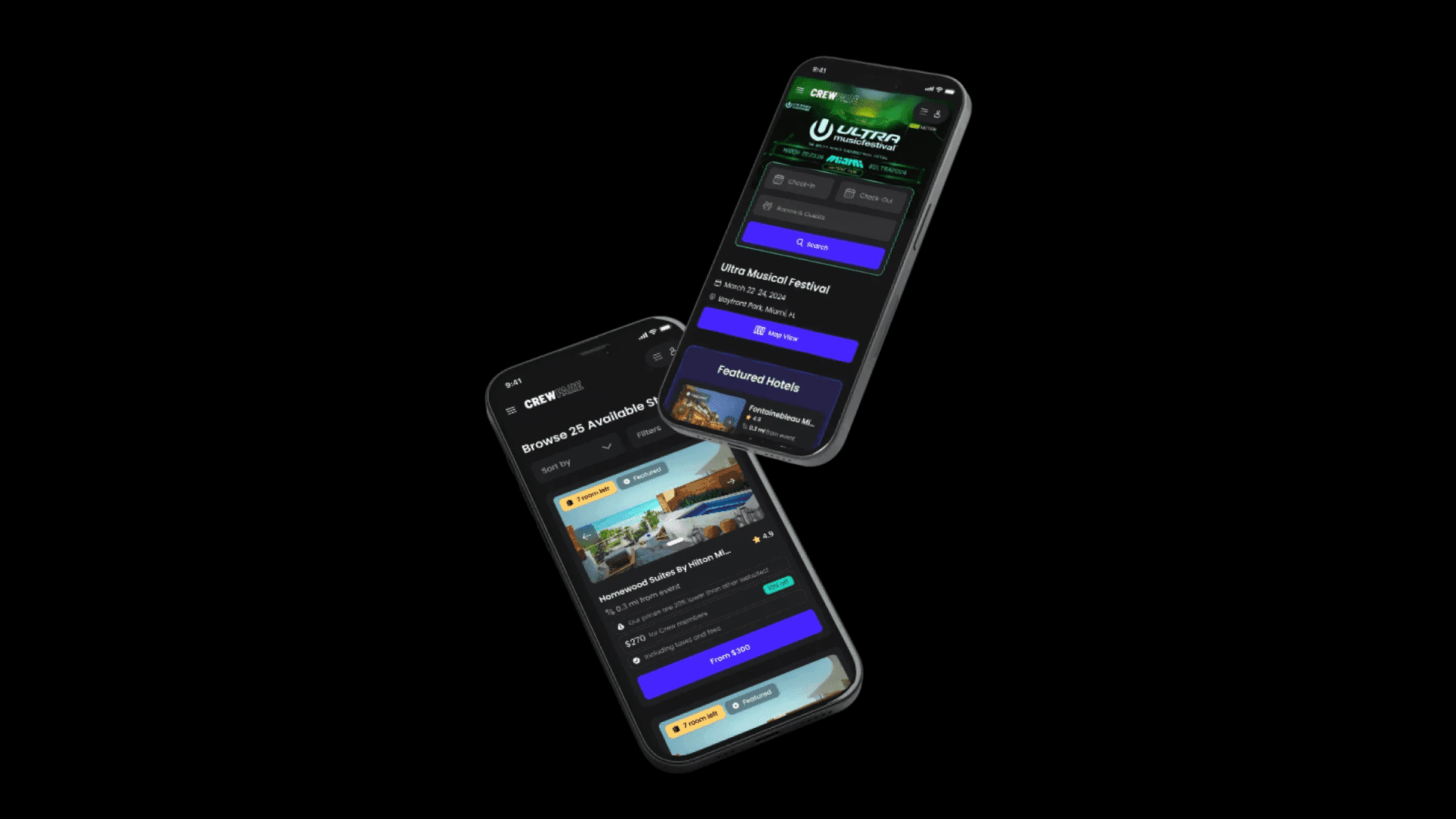
What is a rooming list?
And why does it feel like event planners and hotel managers deserve a medal for managing them?
Let’s start with the basics.
A rooming list is exactly what it sounds like—a list of bookings grouped together for a specific purpose. It helps hotels manage large sets of reservations tied to the same event, like a music festival, conference, wedding, or corporate retreat.
In the event space, a rooming list typically refers to a group of hotel rooms held under one block—reserved specifically for a certain organization or event.
How Rooming Lists Work in the Event World
Processes may vary depending on the event and the hotel, but generally, here’s how it all goes down:
Step 1: The Event Reserves a Room Block
The event team contracts a hotel to hold a certain number of rooms—often as a courtesy block, which means the hotel agrees to hold those rooms (without financial commitment) until a cutoff date. The event organizer then tries to fill as many of those rooms as possible before that deadline.
Step 2: The Rooming List Gets Finalized
Just before the cutoff date, the event team gathers all the bookings—guest names, room types, number of occupants, check-in/out dates, etc.—into one organized list. That list is sent to the hotel for processing.
Step 3: The Hotel Takes Over
The hotel uploads the list into its property management system (PMS). Once that’s done, it sends back confirmation numbers to the event provider to ensure everything matches. If there are any errors or missing info, the hotel and event team work together to resolve them. After the cutoff date, any unclaimed rooms are released back into general inventory.
Step 4: The Guests Arrive
The fun part. Guests show up, check in, and (hopefully) have an amazing time. The hotel manages the stay based on the reservation details provided.
Step 5: Reconciling the $$$
After the event, it’s time to settle up. Whether the group is paying collectively or guests paid individually, there’s always a reconciliation process to confirm reservations and ensure accurate billing for both the event organizer and the hotel.
Why This Process Can Be… a Lot
Rooming lists are critical—but managing them is rarely smooth. They involve tons of manual data entry, version control, constant communication, and multiple systems that don’t always play nice together.
It’s easy for things to slip through the cracks—and even easier for people to burn hours trying to make everything line up.
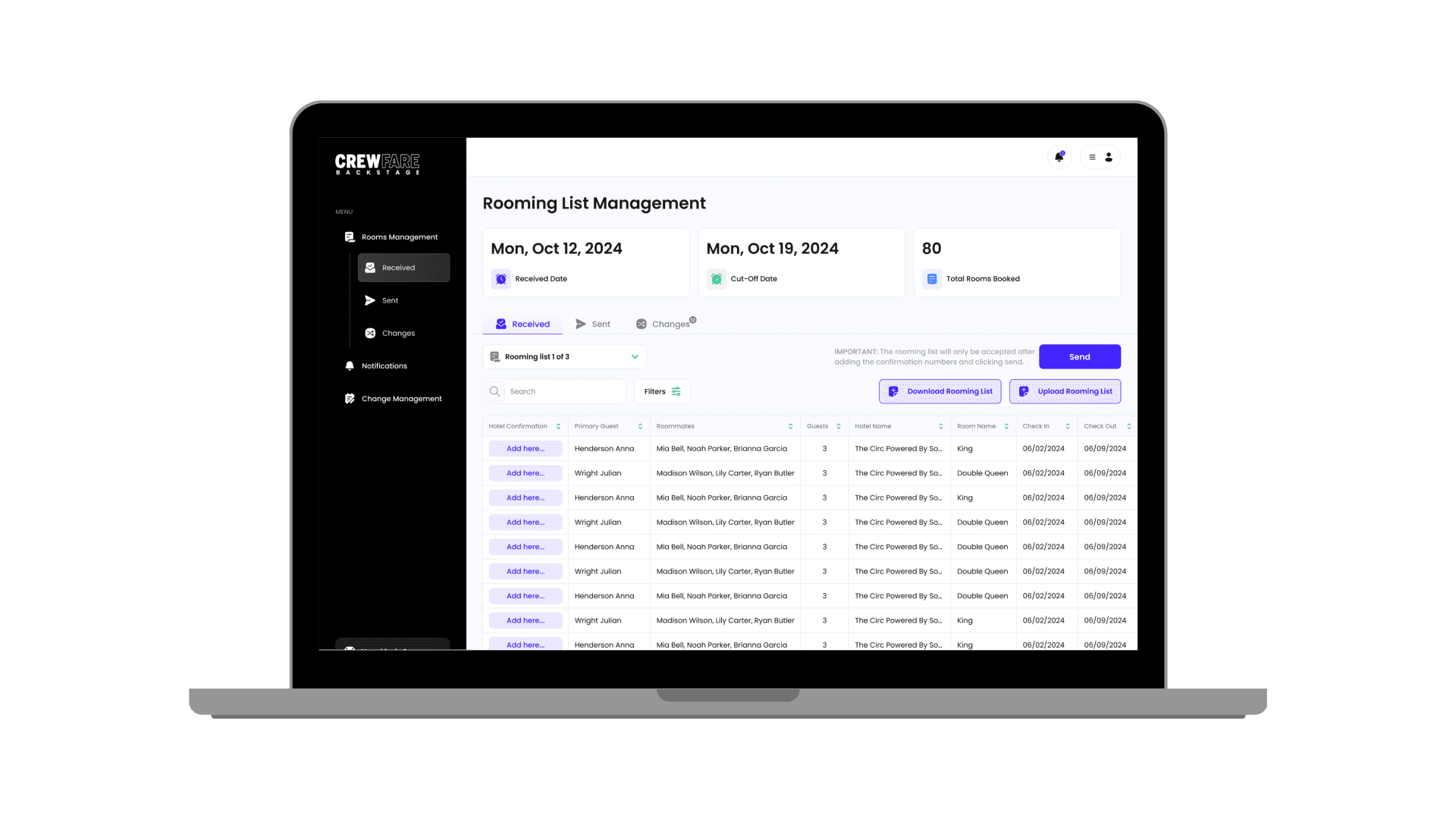
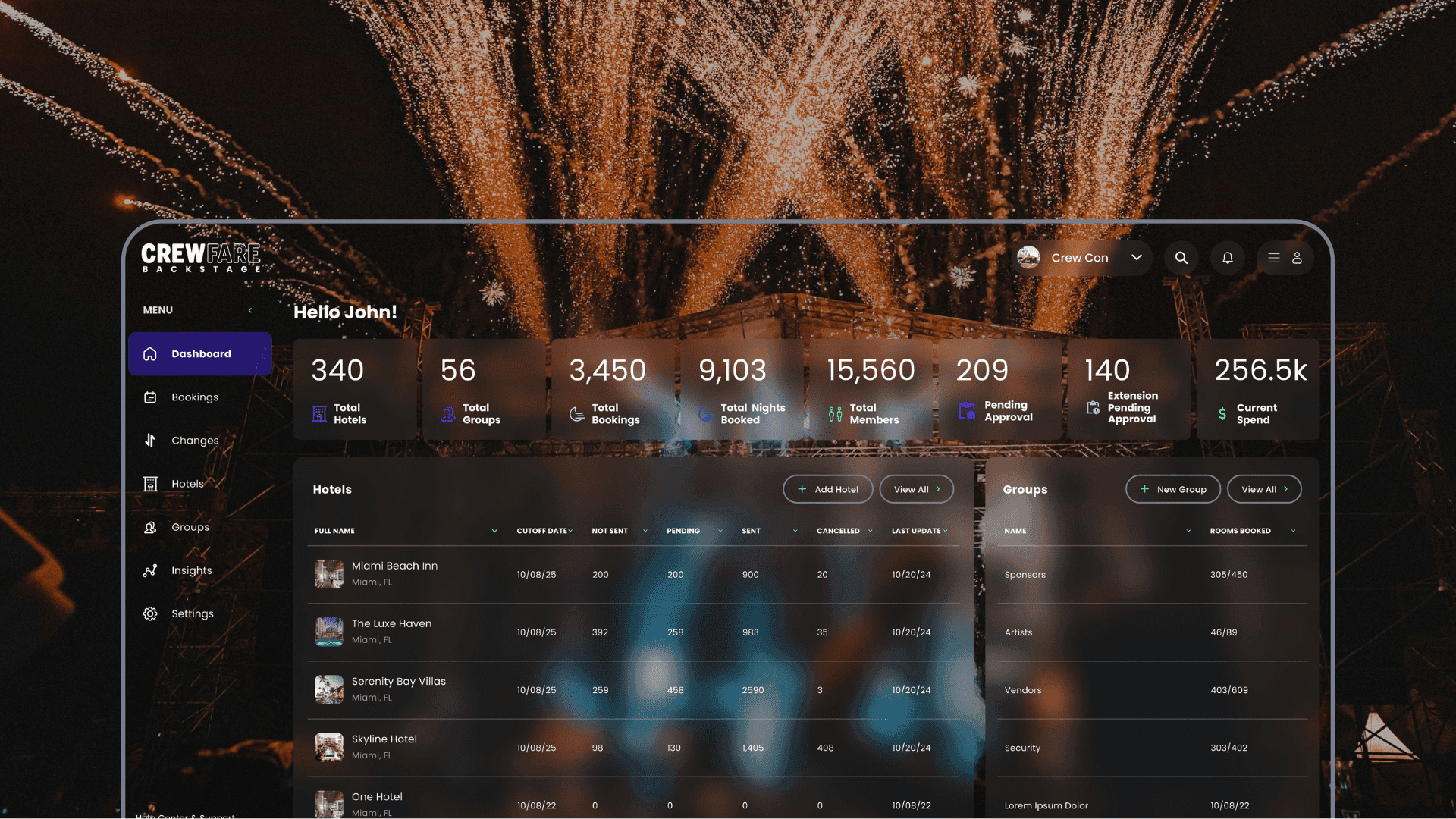
We built our Digital Rooming Lists feature to make this entire process faster, smarter, and less dependent on endless spreadsheets. Here’s what you get:
- Standardized PMS-ready formats that eliminate reformatting headaches
- Automated reminders so cutoff dates don’t go unnoticed
- Real-time notifications so you’re never left in the dark
- Fewer emails, fewer errors, and way less time spent copying and pasting